
Mid-volume production sits in a unique place within modern manufacturing. These are the parts and assemblies that are too complex for high-volume automation but too repetitive for small, one-off job shops. They require a partner who can deliver the efficiency of a scaled operation while still offering the flexibility and hands-on collaboration typically found in prototype environments.
This “in-between” category has become a sweet spot for many OEMs, especially those in electrical equipment, material movement, and industrial sectors. But it’s also a category that’s often underserved. Most fabrication shops either focus on prototypes or commit entirely to mass production, leaving mid-volume customers struggling to find the right balance of consistency, agility, and engineering support.
Mid-volume success demands more than production capacity. It requires expertise, process knowledge, and cross-functional capabilities that work together seamlessly—from laser cutting and forming to welding, machining, and assembly. Few fabrication shops are built to excel in all of these areas at once.
What Counts as a Mid-Volume Run?
Mid-volume runs typically fall into a range that’s too large for manual prototype workflows yet too specialized for the rigid automation found in mass production environments. These projects often include:
- Repeat production runs with stable forecasting
- Assemblies or weldments containing 10–50 components
- Parts requiring multiple fabrication processes
- Annual quantities ranging from a few hundred to several thousand
- Products that evolve over time, requiring design updates
This work is especially common for OEMs with growing or constantly improving product lines. Mid-volume parts often support core functions, which means any issues in quality or timing can cause major downstream disruptions. Choosing the right fabrication partner is essential.
The Unique Challenges of Mid-Volume Production
Mid-volume production occupies a space where most fabrication shops struggle. Some lack the flexibility to adjust to shifting volumes. Others lack the process discipline needed for repeatability. Many simply aren’t equipped to manage multiple fabrication steps efficiently under one roof.
Inconsistent Quality and Lead Times
Shops built for prototypes often lack the systems, tooling, and workflows repeat runs require. That leads to quality variations, fluctuating lead times, and unpredictable output—problems that disrupt OEM production schedules and create unnecessary rework.
Communication Gaps and Limited Design Support
High-volume shops prioritize automation and stable, unchanging designs. Mid-volume customers often experience slow communication, limited engineering collaboration, and little guidance on manufacturability, stalling development and slowing production.
Hidden Costs from Outsourcing Multiple Processes
When suppliers outsource cutting, forming, welding, machining, or assembly, costs increase and lead times grow. Each handoff introduces delays, quality inconsistencies, and additional markup, especially harmful to mid-volume projects that require efficiency and control.
Longer Turnaround Times Due to Limited Scalability
Mid-volume production isn’t static. Forecasts shift, designs evolve, and demand can change. Shops lacking cross-trained teams or in-house capabilities struggle to scale up or down efficiently, causing bottlenecks and delays.
Why You Need a Different Kind of Fabrication Partner
Mid-volume production requires a partner who can balance efficiency with flexibility, support design updates, and maintain quality across every run. Most fabricators aren’t structured to deliver this.
In-House Capabilities That Streamline Production
When all major fabrication processes happen in-house, OEMs gain:
- Faster, more predictable lead times
- Consistent quality from run to run
- Fewer communication loops
- Lower costs through reduced outsourcing
Mid-volume jobs benefit from this level of integration.
Process Knowledge to Bridge Prototype and Production
A strong mid-volume partner can transition parts smoothly from prototype to repeat production. That requires manufacturing insight, the ability to suggest improvements, and experience working through design iterations without disrupting schedules.
Flexibility for Design Iterations and Collaboration
Mid-volume OEMs often update their designs for usability, performance, or cost. A suitable partner must adapt quickly, offer engineering guidance, and support ongoing DFM recommendations.
Transparent Communication and Pricing
Mid-volume success depends on predictable pricing, clear timelines, and proactive communication. OEMs need a partner who removes the guesswork and builds trust through transparency.
How LMI Excels at Mid-Volume Production
LMI was built for the demands of mid-volume manufacturing. With deep expertise, a fully integrated shop, and a collaborative approach, LMI delivers consistency, flexibility, and speed that most fabrication shops cannot match.
Full In-House Fabrication Ecosystem
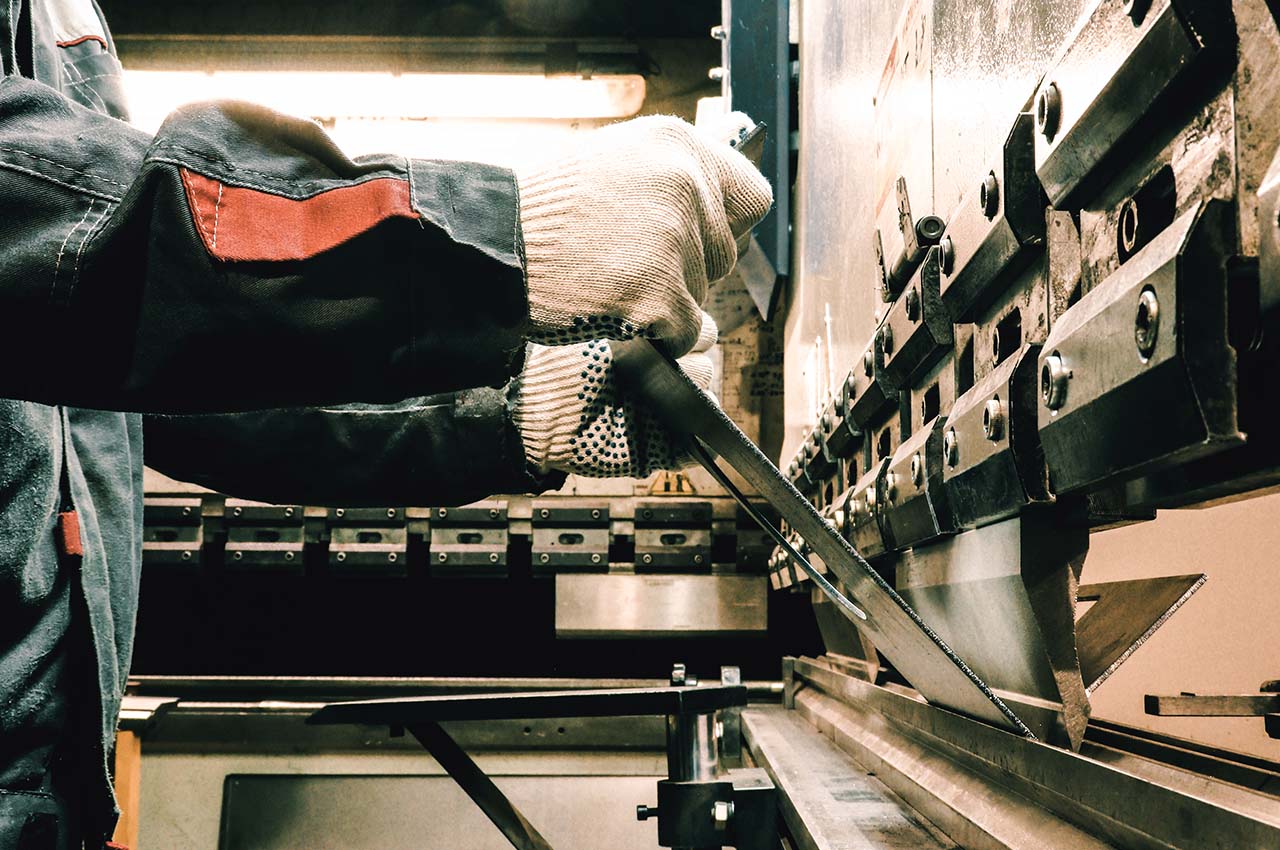
LMI keeps every major process under one roof, including: laser cutting, turret punching, press brake forming, welding, machining, tube bending, assembly, and finishing partnerships. This eliminates delays, reduces errors, and ensures quality from start to finish.
Exceptional Welding Capabilities
With the largest bench of welding talent in the region, LMI handles complex weldments with precision. Strengths include robotic welding, AWS-qualified work up to 1" thick, large weldments, multi-component assemblies, and design support for customers who lack complete prints.
Experience With Complex Assemblies
With 63 years in business, LMI consistently manages intricate assemblies requiring tight tolerances and multiple fabrication steps. Case studies show measurable improvements in lead time, material sourcing, and final product performance.
Fast Turnaround, Reliable Output
Large-bed fiber laser cutting, extensive tooling libraries, smart scheduling, and a 40,000 sq. ft. facility allow LMI to move mid-volume projects quickly without sacrificing quality.
Engineering Support for Better Outcomes
LMI’s engineering team helps refine designs, reduce cost, solve manufacturability issues, and guide customers through each phase of production—all while maintaining clear communication. - drawings that go out to the floor that are easy for people to read.
The Bottom Line: Mid-Volume Runs Deserve a Partner Built for Them
Mid-volume production demands the precision of high-volume manufacturing, the flexibility of prototype work, and the collaboration of an engineering-driven shop. Most suppliers aren’t built to deliver all three.
LMI is.
With integrated capabilities, exceptional welding expertise, reliable turnaround times, and an engineering-first mindset, LMI gives OEMs the confidence and performance they need to keep production moving. As a true partner, LMI helps customers improve designs, streamline processes, and achieve consistent results—run after run.
Ready to Start Your Mid-Volume Project?
Send us your drawings or SolidWorks files and receive a detailed quote—typically within 2 business days. LMI delivers predictable costs, reliable communication, and smooth mid-volume production from start to finish.