
Quality control in metal fabrication is what separates reliable production from costly mistakes. When parts fail to meet specifications, the result is more than just scrap. It leads to delays, rework, and performance issues that ripple through your entire operation.
That’s why quality control is not a single checkpoint at the end of production. It is a structured process built into every stage of fabrication, from material inspection to final assembly. When done right, it ensures every part meets design requirements, performs consistently, and supports long-term reliability.
At LMI Manufacturing, quality is not an afterthought. It is built into how we plan, fabricate, weld, and inspect every component. With decades of experience and a fully integrated, in-house operation, we help customers reduce risk, improve consistency, and deliver better results across every project.
Key Takeaways
- Quality control in metal fabrication ensures every part meets specifications, tolerances, and performance requirements
- It includes material inspection, process control, welding inspection, and final verification
- Strong quality control reduces rework, scrap, and costly production delays
- Inspection methods such as dimensional checks and non-destructive testing (NDT) help identify defects early
- Industry standards like ISO 9001 and AWS welding guidelines ensure consistency and compliance
- A structured quality control process improves reliability, safety, and long-term performance
- Working with an experienced fabrication partner helps maintain consistent quality across every project
What Is Quality Control in Metal Fabrication?
Quality control in metal fabrication refers to the processes used to ensure that every part meets defined specifications, tolerances, and performance standards. It involves inspecting materials, monitoring fabrication processes, and verifying finished components before they move forward.
In practical terms, quality control means catching issues early and maintaining consistency throughout production. This includes everything from checking raw materials to performing welding inspections and validating final dimensions.
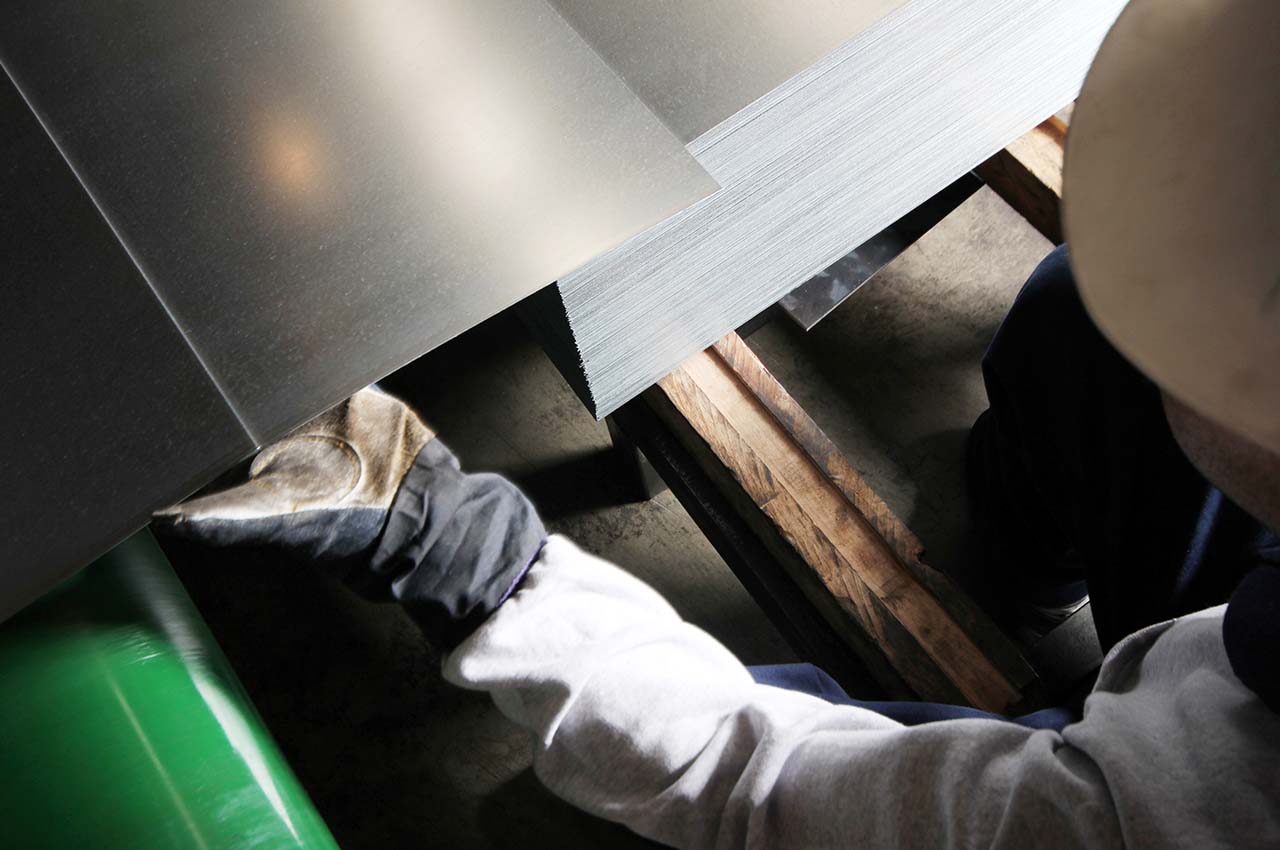
Quality Control vs. Quality Assurance
| Focus | Quality Control (QC) | Quality Assurance (QA) |
| Purpose | Detect defects | Prevent defects |
| Timing | During & after production | Before & during production |
| Examples | Inspection, testing, measurements | Process design, standards, procedures |
Quality assurance defines the system. Quality control ensures the system is working.
In metal fabrication, both are essential. A strong quality assurance framework sets expectations, while quality control processes verify that every part meets them in real-world production conditions.
Why Quality Control Matters in Fabrication Projects
Quality control plays a direct role in how well your parts perform, how smoothly your production runs, and how much your project ultimately costs. Without strong control measures in place, even small issues can turn into major setbacks.
Here’s what effective quality control delivers in metal fabrication:
Consistent Part Quality
Every part should meet the same specifications, every time. Strong quality control ensures consistency across runs, which is critical for assemblies, repeat orders, and downstream processes.
Reduced Rework and Scrap
Catching defects early in the fabrication process prevents wasted material, additional labor, and production delays. This leads to lower overall costs and more predictable timelines.
Improved Safety and Reliability
Poorly fabricated components can fail under stress or in real-world conditions. Proper inspection and testing ensure parts meet performance requirements and safety standards.
Better Cost Control
Quality issues often lead to hidden costs such as rework, missed deadlines, and customer dissatisfaction. A controlled process minimizes these risks and keeps projects on track.
Stronger Compliance with Standards
Meeting industry standards like ISO 9001 or AWS welding requirements is not optional for many industries. Quality control ensures every step aligns with these expectations.
Long-Term Supplier Confidence
When you work with a fabrication partner that consistently delivers high-quality parts, you reduce uncertainty. That reliability becomes a competitive advantage for your business.
At LMI, quality control is built into every stage of production. From material verification to final inspection, our team focuses on delivering parts that meet specifications without surprises.
Key Quality Control Processes in Metal Fabrication
Quality control is not a single step. It is a series of coordinated processes that ensure accuracy, consistency, and performance throughout the entire fabrication workflow.
Below are the core quality control processes used in metal fabrication:
1. Project Planning and Design Review
Quality control starts before production begins. Reviewing drawings, tolerances, and material requirements helps identify potential issues early.
At this stage, teams confirm:
- Design feasibility
- Critical dimensions and tolerances
- Material specifications
- Fabrication methods
Catching inconsistencies during planning reduces costly changes later in the process.
2. Material Inspection
Raw material quality directly impacts the final product. Before fabrication begins, materials are inspected to ensure they meet required specifications.
This may include:
- Verifying material type and grade
- Checking for defects or inconsistencies
- Confirming certifications and traceability
Using the wrong or defective material can compromise the entire project, which is why this step is critical.
3. Defined Fabrication Processes
Consistency depends on repeatable processes. Establishing clear fabrication procedures ensures every part is produced the same way, every time.
This includes:
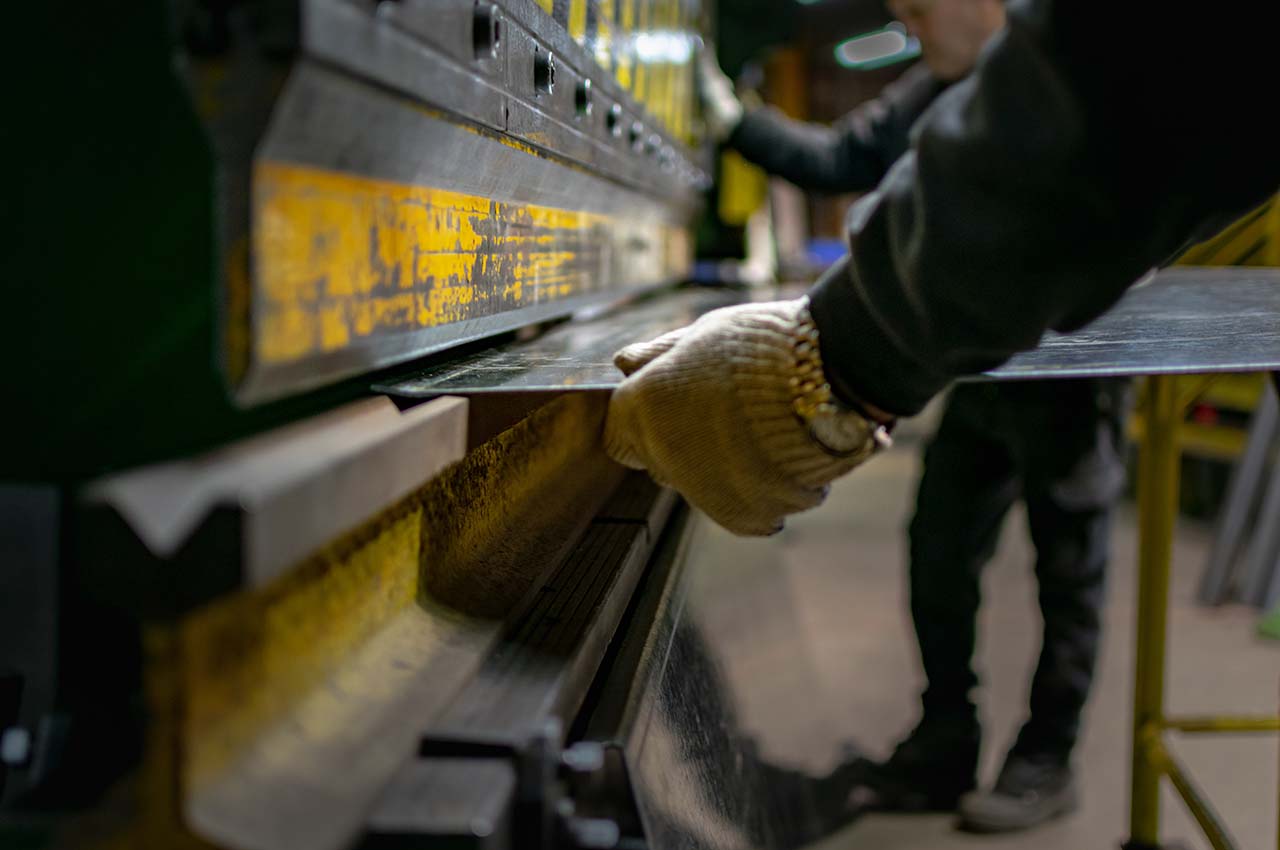
- Standardized cutting, forming, and machining methods
- Documented workflows for operators
- Process control measures to maintain accuracy
A controlled fabrication process reduces variation and improves overall quality.
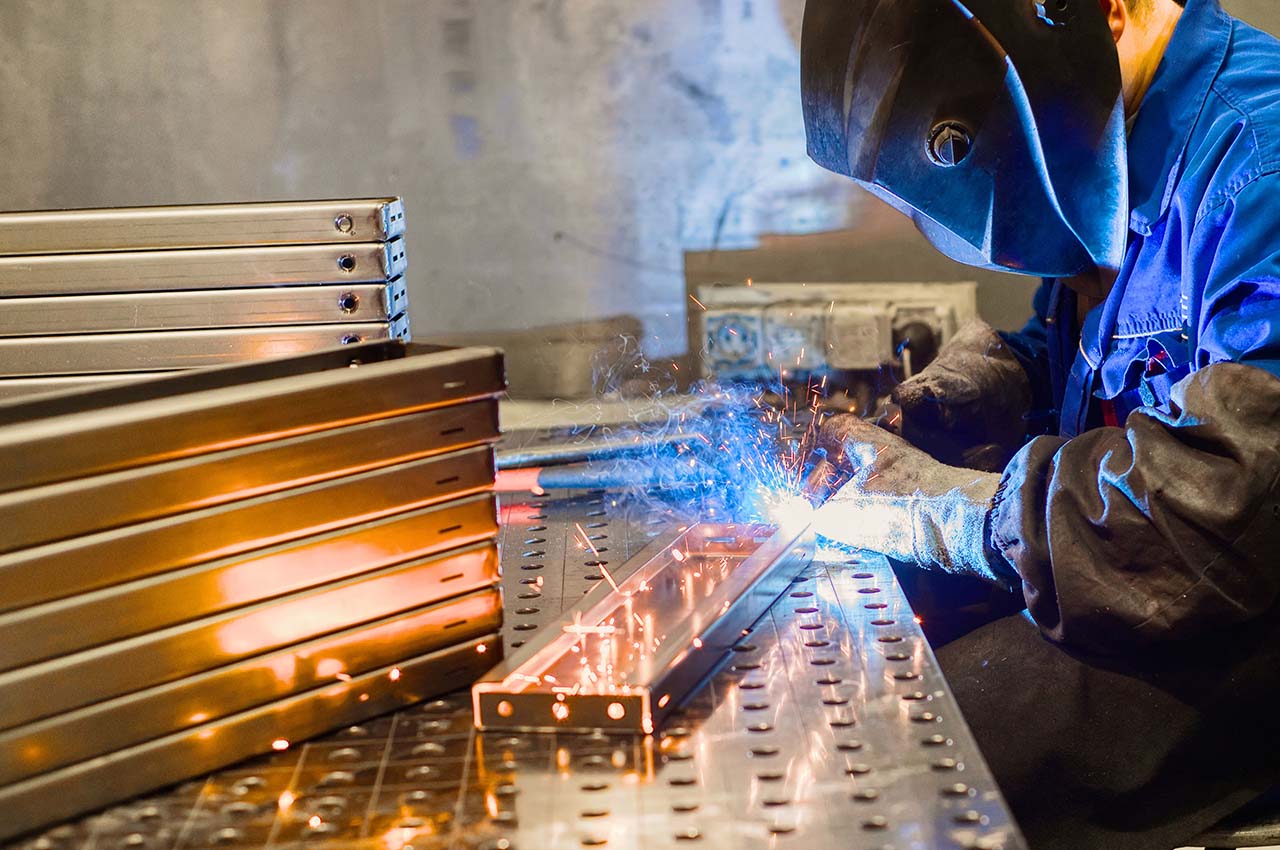
4. Welding Inspection and Control
Welding is one of the most critical stages in metal fabrication, especially for complex assemblies and structural components.
Quality control during welding involves:
- Following qualified welding procedures
- Inspecting weld integrity and consistency
- Monitoring heat input and distortion
- Ensuring proper fit-up and alignment
At LMI, our welding expertise and use of robotic welding systems help deliver consistent, repeatable welds across production runs.
5. Performance and Tolerance Testing
Parts must meet precise dimensional and functional requirements. Inspection at this stage verifies that all tolerances are achieved.
Common checks include:
- Dimensional measurements
- Fit and assembly validation
- Performance testing where applicable
Maintaining tight tolerances ensures parts function correctly in their final application.
6. Record Keeping and Documentation
Documentation is a key part of quality control, especially for industries that require traceability and compliance.
This includes:
- Inspection records
- Material certifications
- Process documentation
- Quality reports
Accurate records provide accountability and help maintain consistent standards over time.
7. Final Inspection and Delivery Verification
Before parts leave the facility, they undergo a final inspection to confirm they meet all specifications.
This step ensures:
- No defects are present
- All dimensions are verified
- Parts meet customer requirements
Final inspection acts as the last checkpoint to ensure quality before delivery.
Types of Inspection Methods Used in Metal Fabrication
Quality control in metal fabrication relies on a range of inspection methods to verify that parts meet specifications at every stage of production. These methods help detect defects, confirm tolerances, and ensure long-term performance.
Different projects require different levels of inspection depending on complexity, industry standards, and application requirements.
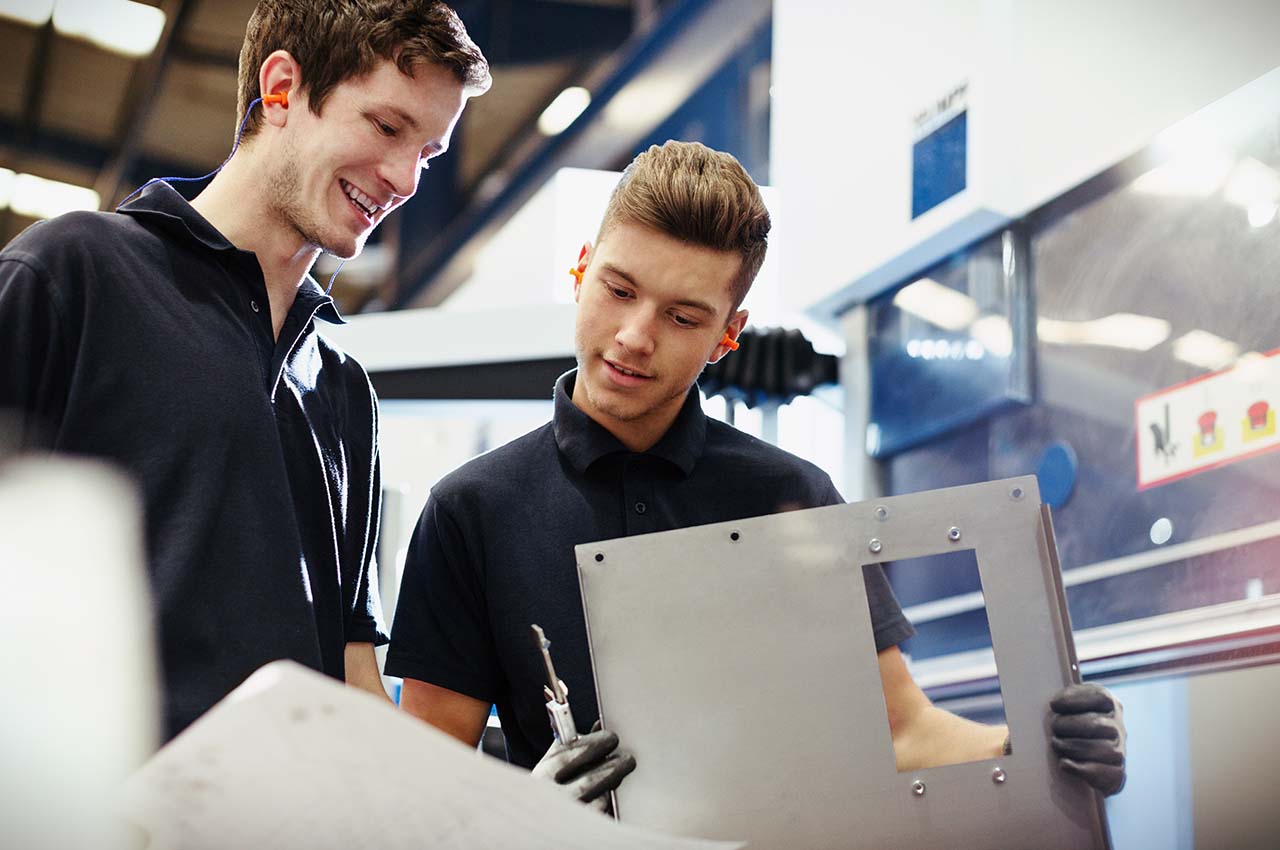
Visual Inspection
Visual inspection is the most basic but essential form of quality control. It involves examining parts for visible defects such as cracks, surface inconsistencies, or improper welds.
This process is used throughout fabrication to quickly identify issues before they progress further down the line.
Common checks include:
- Surface finish quality
- Weld appearance and uniformity
- Obvious defects or distortions
While simple, visual inspection plays a critical role in maintaining consistent quality.
Dimensional Inspection
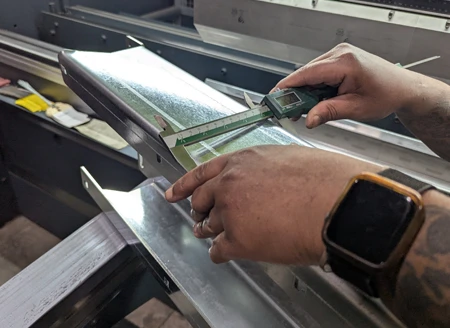
Dimensional inspection ensures that every part meets specified measurements and tolerances. This is especially important for components that must fit precisely within assemblies.
Inspection tools and methods may include:
- Calipers and micrometers
- Coordinate measuring machines (CMM)
- Gauges and fixtures
Maintaining tight tolerances is key to ensuring proper fit, function, and performance in the final product.
Non-Destructive Testing (NDT)
Non-destructive testing (NDT) allows fabricators to evaluate material integrity and weld quality without damaging the part.
This is critical for identifying internal or hidden defects that are not visible during standard inspection.
Common NDT methods include:
- Ultrasonic testing
- Magnetic particle inspection
- Dye penetrant testing
- Radiographic (X-ray) inspection
NDT is often required in industries where safety, reliability, and compliance are critical.
In-Process vs. Final Inspection
Inspection does not happen at just one point in production. It is performed both during and after fabrication to ensure consistent results.
- In-process inspection: Conducted during fabrication to catch issues early and maintain control over the process
- Final inspection: Performed after production to verify that all specifications and requirements are met
Combining both approaches reduces risk, improves efficiency, and ensures higher-quality outcomes.
How LMI Applies Inspection in Practice
At LMI Manufacturing, inspection is built into the workflow, not treated as a final step. By combining in-process checks with final verification, we ensure every part meets customer expectations before it leaves our facility.
Our team focuses on consistency, repeatability, and attention to detail, especially in complex weldments and assemblies where precision matters most.
Common Quality Standards in Metal Fabrication
Quality control is guided by established standards that define how parts should be produced, inspected, and validated. These standards ensure consistency across projects and provide confidence that components will perform as expected.
Here are some of the most important quality standards in metal fabrication:
| Standard | Focus | Why It Matters |
| ISO 9001 | Quality management systems | Ensures consistent processes and continuous improvement |
| AWS D1.1 | Structural welding standards | Defines welding requirements for strength and safety |
| Internal QC Systems | Company-specific procedures | Maintains consistency and accountability across production |
| Customer Specifications | Project-specific requirements | Ensures parts meet exact application needs |
These standards create a framework for quality assurance and control, helping fabricators maintain accuracy, compliance, and reliability.
At LMI, we follow structured quality systems and industry standards to ensure every project meets strict requirements. Combined with our in-house capabilities and experienced team, this allows us to deliver consistent, high-quality results across a wide range of applications.
Quality Control Challenges in Metal Fabrication (And How to Avoid Them)
Even with defined processes, quality control in metal fabrication can break down without the right systems, communication, and expertise in place. Understanding common challenges helps prevent costly issues before they impact production.
Inconsistent Welding Quality
Welding is one of the most critical and variable parts of the fabrication process. Differences in technique, heat input, or setup can lead to weak joints, distortion, or failed inspections.
How to avoid it:
- Use qualified welding procedures (WPS)
- Work with AWS-qualified welders
- Implement robotic welding for repeatability
- Perform in-process welding inspections
At LMI, our combination of experienced welders and robotic welding systems ensures consistent, repeatable weld quality across production runs.
Material Defects or Incorrect Material Selection
Using the wrong material or receiving inconsistent material quality can compromise the entire project before fabrication even begins.
How to avoid it:
- Verify material grade and certifications
- Inspect incoming materials for defects
- Maintain supplier quality standards
Lack of Process Control
Without clearly defined fabrication processes, variation increases. This leads to inconsistent parts, missed tolerances, and rework.
How to avoid it:
- Standardize fabrication procedures
- Document workflows and control measures
- Train operators on consistent execution
Tolerance and Fit Issues
Even small deviations in dimensions can cause major problems during assembly or final use.
How to avoid it:
- Perform dimensional inspection throughout production
- Use precision equipment and calibrated tools
- Validate fit before final delivery
Poor Communication Between Teams
Miscommunication between design, fabrication, and inspection teams often leads to errors that could have been avoided.
How to avoid it:
- Align on drawings and specifications early
- Maintain clear documentation
- Ensure inspection teams understand project requirements
The bottom line: Quality control is not just about inspection. It is about maintaining control over the entire fabrication process from start to finish.
How LMI Ensures Quality at Every Stage
At LMI Manufacturing, quality control is built into every part of the process, not added on at the end. Our approach combines industry standards, in-house capabilities, and decades of experience to deliver consistent, reliable results.
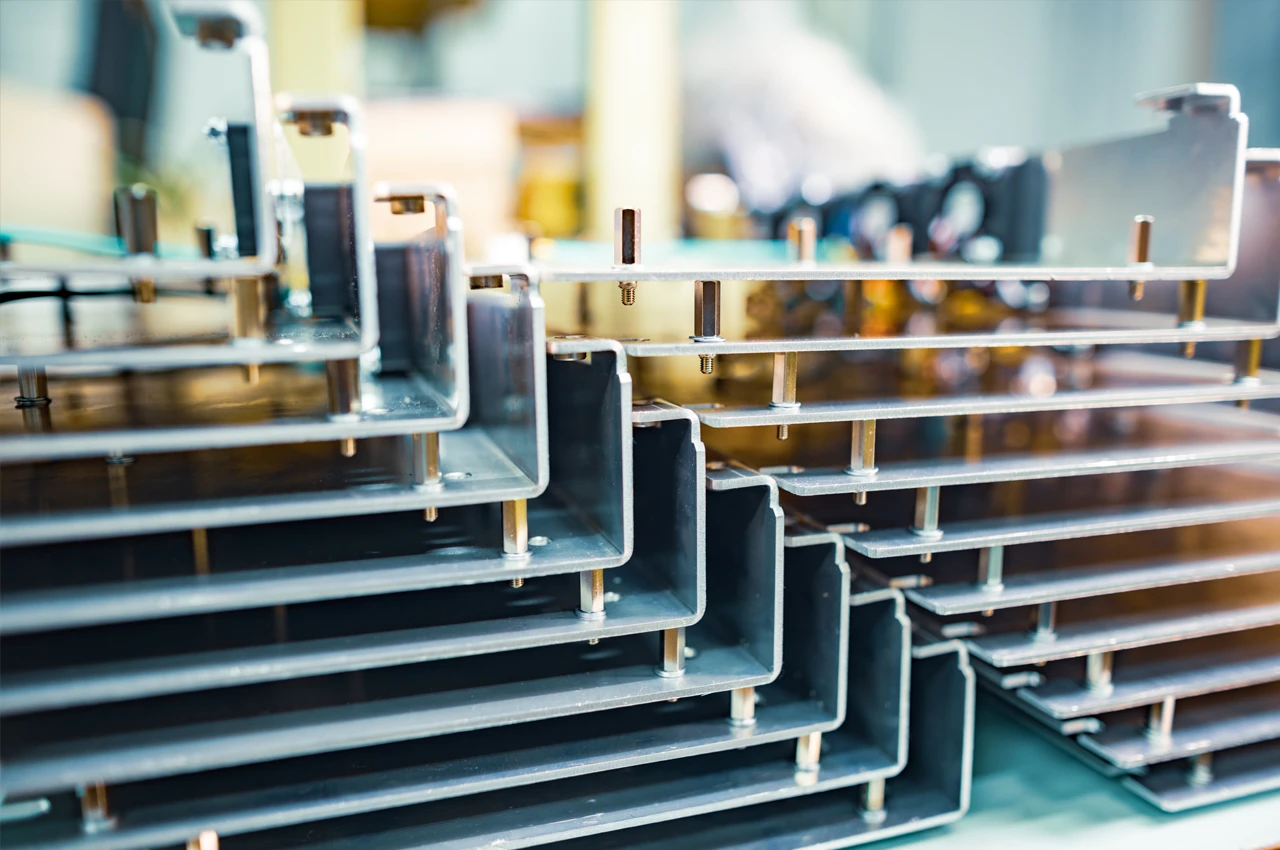
Certified Processes and Proven Standards
We follow recognized quality standards and certified processes to ensure compliance and consistency across every project.
- ISO 9001-certified quality management system
- AWS-qualified welders and welding procedures
- Structured documentation and traceability practices
These systems ensure that every part meets defined specifications and industry requirements.
In-House Manufacturing for Greater Control
Unlike fabricators that rely heavily on outsourcing, LMI keeps most processes in-house. This allows for tighter control over quality at every stage.
- Laser cutting, forming, welding, machining, and assembly under one roof
- Reduced variability between production steps
- Faster turnaround and fewer delays
Advanced Equipment for Precision and Consistency
We invest in modern equipment to improve accuracy and repeatability across production.
- Fiber laser cutting for precision and efficiency
- Robotic welding systems for consistent weld quality
- Advanced forming and machining capabilities
Experienced Team and Problem-Solving Approach
With decades of fabrication experience, our team understands how to identify potential issues early and provide practical solutions.
- Support with design and manufacturability
- Guidance on materials and processes
- Ability to handle complex weldments and assemblies
Transparent Communication and Accountability
Quality also depends on clear communication. We work closely with customers to ensure expectations are aligned from the start.
- Clear specifications and documentation
- Upfront, transparent pricing
- Ongoing communication throughout production
The result is a fabrication process that delivers consistent quality, minimizes risk, and supports long-term partnerships.
Quality Control Checklist for Fabrication Projects
Use this checklist to evaluate whether a fabrication process is set up for consistent quality and reliable results:
- Material type and certifications verified
- Drawings and tolerances reviewed before production
- Fabrication processes clearly defined and documented
- Welding procedures qualified and controlled
- In-process inspections performed at key stages
- Dimensional tolerances checked and validated
- Final inspection completed before delivery
- Documentation and traceability maintained
FAQs About Quality Control in Metal Fabrication
What is quality control in metal fabrication?
Quality control in metal fabrication is the process of inspecting materials, monitoring fabrication processes, and verifying finished parts to ensure they meet specifications, tolerances, and performance standards. It includes material checks, welding inspection, dimensional verification, and final inspection.
What are the 4 types of quality control?
The four main types of quality control used in fabrication are:
- Process control – Monitoring production to maintain consistency
- Acceptance sampling – Checking a portion of parts for quality
- Control charts – Tracking performance over time
- Product inspection – Verifying finished parts meet specification
What are the 5 essentials of a quality control checklist?
A strong quality control checklist typically includes:
- Material verification
- Process control and documentation
- Inspection at key production stages
- Tolerance and measurement checks
- Final inspection before delivery
These steps help ensure consistency and reduce the risk of defects.
What are the responsibilities of quality control in fabrication?
Quality control teams are responsible for:
- Inspecting raw materials and components
- Monitoring fabrication and welding processes
- Verifying dimensions and tolerances
- Identifying and addressing defects
- Maintaining documentation and compliance records
Their goal is to ensure every part meets required standards before it reaches the customer.
Choosing the Right Fabrication Partner for Quality Results
Not all fabrication partners approach quality control the same way. Choosing the right partner can make a significant difference in product performance, lead times, and overall cost.
When evaluating a metal fabrication partner, look for:
Proven Certifications and Standards
A reliable partner should follow recognized standards such as ISO 9001 and AWS welding requirements. These certifications demonstrate a commitment to consistent processes and quality outcomes.
In-House Capabilities
Fabricators that handle multiple processes in-house have greater control over quality. This reduces variability, improves communication, and helps maintain consistency across every stage of production.
Experience with Complex Fabrication
Projects involving large weldments, tight tolerances, or multi-step assemblies require a high level of expertise. An experienced team can identify potential issues early and provide practical solutions.
Clear Communication and Transparency
Quality depends on alignment. Look for a partner that communicates clearly, documents processes, and provides transparent pricing and timelines.
Quality Control Drives Better Outcomes
Quality control in metal fabrication is more than a checklist. It is a structured approach that ensures every part meets expectations from the first cut to final delivery.
When quality is built into the process, you reduce risk, improve consistency, and create better long-term results for your business.
At LMI Manufacturing, we combine certified processes, in-house capabilities, and decades of experience to deliver reliable, high-quality fabrication solutions. Whether you are developing a new product or scaling production, our team is focused on helping you achieve consistent results every time.
Looking for a fabrication partner that prioritizes quality at every stage?
Contact LMI Manufacturing today to discuss your project and see how our team can help you improve performance, reduce risk, and deliver better results.
Ready to see the difference an ISO-certified fabrication partner can make?
Let’s make something better - together.