
Metal finishing plays a critical role in modern manufacturing. The right metal finishing process can improve corrosion resistance, strengthen durability, enhance appearance, and ensure components perform reliably in demanding environments. From industrial equipment to electrical enclosures, manufacturers rely on finishing techniques to protect metal surfaces and extend the life of their products.
There are many metal finishing techniques, each designed to achieve specific results. Processes such as electroplating, anodizing, powder coating, abrasive blasting, polishing, and mass finishing can change the surface properties of metal parts. Some finishing methods improve corrosion protection, while others enhance conductivity, surface hardness, or overall surface finish.
Understanding the differences between metal finishing processes helps engineers, manufacturers, and procurement teams choose the right solution for their application. The correct finishing technique depends on several factors, including the type of metal, environmental exposure, performance requirements, and the desired appearance of the finished part.
In this guide, we explain the most common metal finishing techniques, how each finishing process works, and when to use them. We’ll also explore how manufacturers select the best finishing method for specific applications and industries.
Key Points in this Article
- Metal finishing protects metal surfaces. Processes such as plating, anodizing, and powder coating create protective coatings that help prevent corrosion and environmental damage.
- Common metal finishing techniques include:
- Electroplating
- Anodizing
- Powder coating
- Abrasive blasting
- Polishing and grinding
- Mass finishing (tumbling or vibratory finishing)
- Surface preparation is essential. Cleaning, degreasing, and abrasive blasting help ensure coatings adhere properly to the metal surface.
- Choosing the right finishing process depends on several factors:
- Type of metal (steel, aluminum, etc.)
- Environmental exposure
- Performance requirements
- Desired surface finish and appearance
- Metal finishing is widely used in manufacturing, especially for industrial equipment, electrical enclosures, machinery, and fabricated components that must perform reliably over time.
What Is Metal Finishing?
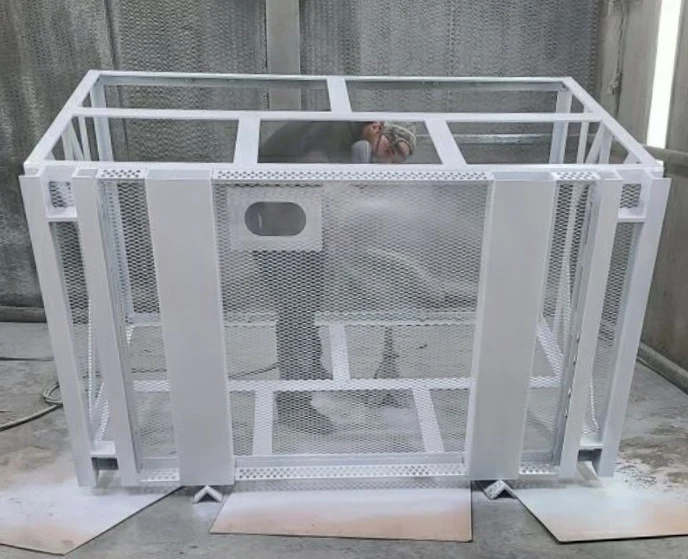
Metal finishing refers to a group of manufacturing processes used to modify the surface of a metal part to improve its performance, durability, and appearance. These finishing processes add protective coatings, alter the surface structure, or smooth the metal surface to achieve specific functional or aesthetic results.
In industrial manufacturing, a metal finishing process is often applied after fabrication steps such as cutting, forming, welding, machining, or assembly. The goal is to prepare the surface and apply treatments that protect the metal from corrosion, wear, and environmental damage while improving its overall surface finish.
Common metal finishing techniques include processes such as plating, anodizing, powder coating, polishing, grinding, and abrasive blasting. Each finishing technique changes the metal surface in a different way depending on the desired performance characteristics.
What Metal Finishing Can Improve
Metal finishing processes are used to enhance several key properties of metal components:
- Corrosion resistance to protect parts from rust and environmental damage
- Surface durability to reduce wear during heavy use
- Surface smoothness for improved fit, function, or appearance
- Electrical conductivity for components used in electrical equipment
- Adhesion for coatings or paint
Examples of Common Metal Finishing Goals
| Goal | Example Result |
| Corrosion protection | Prevent rust on steel components |
| Improved appearance | Smooth or decorative surface finish |
| Wear resistance | Harder surface for industrial parts |
| Functional coating | Electrical conductivity or insulation |
Because different industries have different performance requirements, manufacturers often select a specific metal finishing process based on how the finished component will be used.
Why Metal Finishing Is Important for Manufacturing
In manufacturing, raw metal surfaces are often vulnerable to corrosion, wear, and environmental damage. Without proper finishing, components made from materials like steel or aluminum can degrade over time, especially when exposed to moisture, chemicals, or heavy use.
A well-chosen metal finishing process protects the surface of the part and helps ensure long-term performance. Finishing techniques also improve the appearance of metal components and can add functional properties that are critical in industrial applications.
Manufacturers use metal finishing processes to improve several key performance factors.
Corrosion Protection
One of the primary reasons manufacturers apply metal coatings and surface treatments is to prevent corrosion. Processes like electroplating, anodizing, and powder coating create a protective barrier between the metal surface and the surrounding environment.
This protection is especially important for components used in:
- Outdoor equipment
- Industrial machinery
- Electrical cabinets
- Food processing systems
Improved Durability and Wear Resistance
Certain finishing techniques strengthen the outer layer of a metal component, helping it resist abrasion, friction, and heavy mechanical use.
Processes such as grinding, polishing, blasting, and mass finishing can improve surface hardness and remove imperfections that might otherwise lead to premature wear.
Enhanced Surface Appearance
Metal finishing also improves the visual quality of fabricated parts. Polishing, anodizing, and powder coating can create a smooth and uniform surface finish while adding color or texture.
This is particularly important for products where both function and appearance matter, such as:
- commercial equipment
- architectural components
- consumer products
- electrical enclosures
Functional Performance Improvements
Some finishing techniques modify metal surfaces to improve specific functional properties.
For example:
- Electroplating can increase electrical conductivity
- Anodizing strengthens aluminum surfaces
- Special coatings can reduce friction or improve chemical resistance
These performance improvements help ensure components operate reliably in demanding industrial environments.
Quick Summary: Why Manufacturers Use Metal Finishing
| Benefit | Impact |
| Corrosion protection | Extends part lifespan |
| Durability | Reduces wear and maintenance |
| Appearance | Creates clean, uniform finishes |
| Functional performance | Improves conductivity or resistance |
Because of these advantages, metal finishing is a critical step in many fabrication and manufacturing workflows.
Types of Metal Finishing Processes
There are many different metal finishing processes, and each method is designed to achieve a specific result. Some finishing techniques add protective coatings to prevent corrosion, while others smooth the surface, strengthen the metal, or prepare parts for additional treatments.
The right finishing method depends on several factors, including the type of metal, the required surface finish, environmental exposure, and the performance requirements of the final component.
Most metal finishing techniques fall into a few major categories.
Common Categories of Metal Finishing
| Category | Purpose | Example Processes |
| Coating processes | Add protective o decorative layers | Powder coating, plating |
| Surface modification | Change surface structure or hardness | Anodizing |
| Mechanical finishing | Smooth or refine the surface | Grinding, polishing |
| Surface preparation | Clean or prepare metal before finishing | Abrasive blasting |
Each category includes several specialized metal finishing techniques that manufacturers use depending on the material and the desired outcome.
For example:
- Electroplating adds a thin metal coating to improve corrosion resistance or conductivity.
- Anodizing creates a durable oxide layer on aluminum parts.
- Powder coating forms a strong protective finish that resists chipping and corrosion.
- Abrasive blasting removes contaminants and prepares the metal surface for coatings.
- Polishing and grinding refine the surface finish for functional or aesthetic purposes.
In many cases, manufacturers combine multiple finishing processes to achieve the best result. A part might go through surface preparation, blasting, coating, and polishing before reaching its final form.
Understanding the different types of finishing methods makes it easier to select the right process for both performance and cost efficiency.
Common Metal Finishing Techniques
Manufacturers use a variety of metal finishing techniques to improve the performance, durability, and appearance of metal components. Each finishing process alters the surface of the metal in a different way, depending on the goals of the project.
Some techniques focus on adding protective coatings, while others smooth the surface, strengthen the metal, or prepare it for additional treatments. Understanding how these finishing methods work helps manufacturers choose the right solution for specific materials and applications.
Below are several of the most widely used metal finishing processes in modern manufacturing.
Electroplating
Electroplating is a metal finishing process that applies a thin layer of metal onto the surface of another metal part using an electrical current. During the plating process, the component is placed in a chemical bath containing dissolved metal ions. An electrical charge causes the ions to bond to the surface of the part, creating a durable coating.
Electroplating is commonly used to improve:
- Corrosion resistance
- Electrical conductivity
- Surface durability
- Decorative appearance
Common plated metals include nickel, zinc, chrome, copper, and gold. Electroplating is frequently used in industries such as electronics, automotive manufacturing, and industrial equipment.
Anodizing
Anodizing is a finishing technique most often used for aluminum parts. Instead of applying a separate coating, anodizing strengthens the natural oxide layer that forms on aluminum when it is exposed to oxygen.
During the anodizing process, the aluminum component is placed in an electrolytic solution and an electrical current is applied. This creates a thicker and more durable oxide layer that becomes part of the metal surface.
Benefits of anodizing include:
- Increased corrosion resistance
- Improved surface hardness
- Better wear resistance
- The ability to add color finishes
Because anodized coatings are integrated into the aluminum surface, they are extremely durable and resistant to peeling or chipping.
Powder Coating
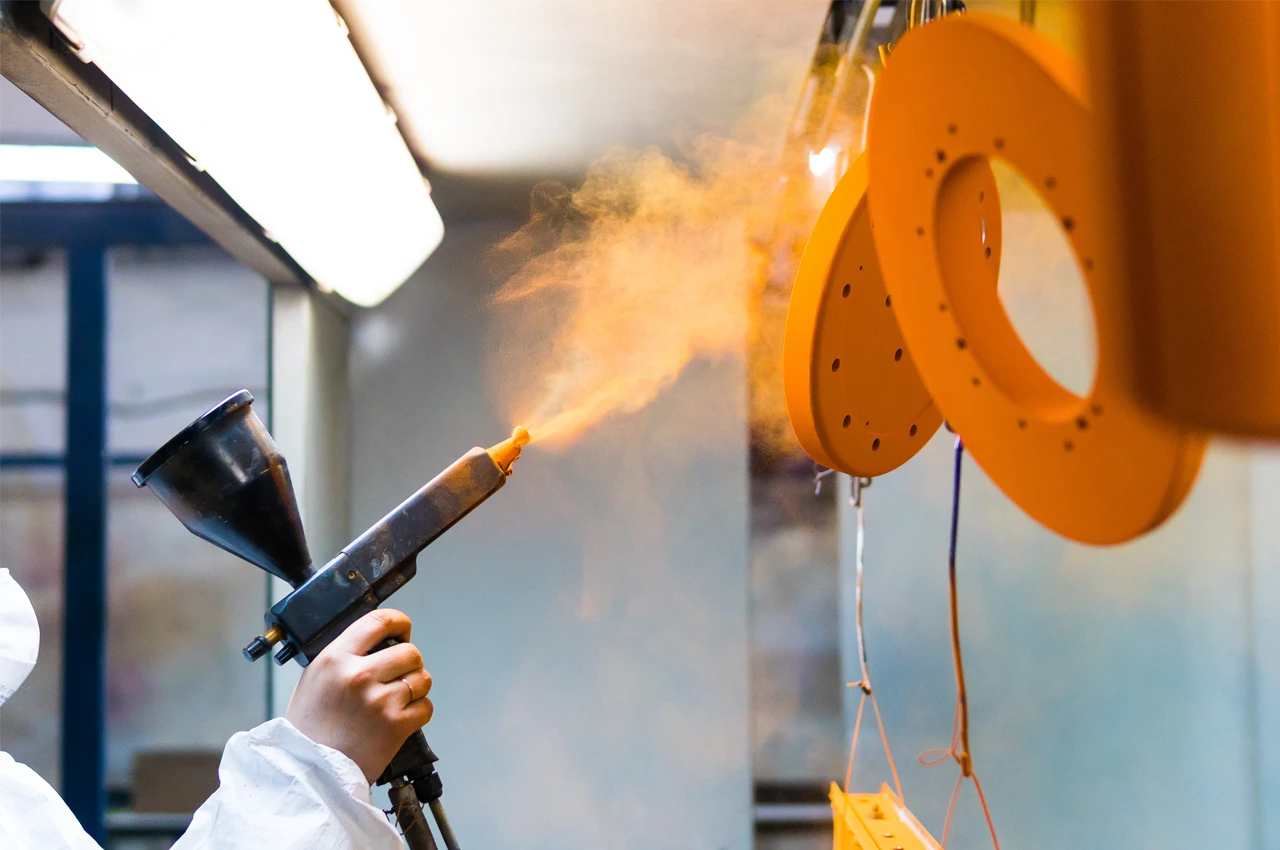
Powder coating is a finishing process that applies a dry powder to the surface of a metal component. The powder is electrostatically charged and sprayed onto the metal surface, then cured in an oven where it forms a smooth and durable protective coating.
Powder coating is widely used because it provides:
- Excellent corrosion protection
- Strong impact resistance
- Uniform surface finish
- A wide range of colors and textures
This finishing technique is commonly used for industrial equipment, metal enclosures, machinery components, and structural parts.
Abrasive Blasting
Abrasive blasting is a mechanical finishing process used to clean and prepare metal surfaces. In this process, abrasive media such as sand, glass beads, or aluminum oxide is propelled at high speed against the metal surface.
This removes:
- rust
- scale
- old coatings
- surface contaminants
Abrasive blasting is often used as a surface preparation step before coating or plating. It creates a clean, textured surface that allows coatings and finishes to adhere more effectively.
Polishing and Grinding
Polishing and grinding are mechanical finishing processes used to smooth and refine the surface of metal parts.
Grinding removes small amounts of material to correct surface imperfections, while polishing creates a smoother and often more reflective finish. These processes improve both the appearance and performance of the metal component.
Polishing and grinding are commonly used when manufacturers need:
- a smooth surface finish
- improved fit between parts
- reduced friction between components
- decorative metal finishes
Mass Finishing (Tumbling and Vibratory Finishing)
Mass finishing refers to processes that finish multiple metal parts at the same time using a mixture of abrasive media, compounds, and motion. Parts are placed in machines that tumble or vibrate, allowing the media to polish and smooth the surfaces.
Common types of mass finishing include:
- tumbling finishing
- vibratory finishing
- barrel finishing
These methods are often used to:
- remove burrs from machined parts
- smooth sharp edges
- improve surface texture
- prepare components for additional coatings
Mass finishing is especially useful when manufacturers need to process large quantities of small metal components efficiently.
Surface Preparation Before Metal Finishing
Before most metal finishing processes can be applied, the surface of the metal must be properly prepared. Surface preparation removes contaminants, smooths imperfections, and creates the right conditions for coatings or treatments to bond effectively with the metal.
If the surface is not properly cleaned or prepared, finishing techniques such as plating, anodizing, or powder coating may not adhere correctly. This can lead to uneven finishes, premature corrosion, or reduced durability.
Manufacturers typically use several preparation methods before applying a finishing process.
Cleaning and Degreasing
The first step in many finishing workflows is removing oils, grease, dirt, and manufacturing residues from the metal surface.
Cleaning methods may include:
- chemical cleaning solutions
- solvent degreasing
- alkaline washing
- ultrasonic cleaning
These processes ensure that the metal surface is free of contaminants that could interfere with coatings or other finishing treatments.
Abrasive Blasting for Surface Preparation
Abrasive blasting is often used as part of surface preparation before applying coatings or plating. In this process, abrasive media such as sand, aluminum oxide, or glass beads is propelled against the metal surface.
This technique helps:
- remove rust or oxidation
- eliminate old coatings
- create a textured surface for better adhesion
- prepare the metal for painting or powder coating
Because blasting improves surface adhesion, it is frequently used before applying protective coatings or finishing layers.
Pickling and Chemical Treatments
Some finishing processes require chemical surface treatments to remove scale or oxidation from metal parts. One common method is pickling, which uses acidic solutions to dissolve surface impurities and prepare the metal for finishing.
Chemical preparation processes are especially useful when dealing with:
- steel components
- welded assemblies
- parts exposed to high temperatures during fabrication
Proper chemical treatment helps ensure that the metal surface is ready for coatings or plating.
Why Surface Preparation Matters
Surface preparation is one of the most important steps in the entire metal finishing process. Even the most advanced coating or plating technique cannot perform properly if the underlying metal surface is contaminated or poorly prepared.
When preparation is done correctly, manufacturers can achieve:
- stronger coating adhesion
- more uniform surface finishes
- improved corrosion protection
- longer-lasting performance
For this reason, surface preparation is a critical step in many industrial metal fabrication and finishing workflows.
Choosing the Right Metal Finishing Method
Selecting the right metal finishing method is an important decision in the manufacturing process. Different finishing techniques offer different advantages depending on the material, the environment where the part will be used, and the performance requirements of the finished component.
Manufacturers typically evaluate several factors before choosing a finishing process. The goal is to balance performance, durability, appearance, and cost while ensuring the finish supports the intended use of the part.
Below are some of the most important considerations.
Type of Metal
The material being used often determines which finishing processes are most effective.
For example:
- Aluminum is commonly finished using anodizing because it strengthens the natural oxide layer on the metal surface.
- Steel components may use plating or powder coating to improve corrosion resistance.
- Some metals require specific coatings to ensure proper adhesion and durability.
Understanding how the base material reacts to different finishing techniques helps manufacturers choose the most compatible option.
Environmental Exposure
The operating environment can significantly impact the type of metal coating or finishing process that should be used.
Parts exposed to harsh conditions may require finishes that protect against:
- moisture and corrosion
- chemicals or solvents
- temperature fluctuations
- abrasion and mechanical wear
For example, components used in outdoor or industrial environments often need protective coatings designed to withstand corrosion and long-term exposure.
Performance Requirements
Some finishing techniques are selected to improve specific functional properties of a component.
Examples include:
- Electroplating to improve electrical conductivity
- Anodizing to increase surface hardness on aluminum parts
- Specialized coatings to reduce friction or improve wear resistance
These functional improvements can be critical for parts used in industrial equipment, electrical systems, or precision assemblies.
Surface Finish and Appearance
In some applications, the appearance of the finished part is just as important as its performance.
Processes such as polishing, grinding, anodizing, and powder coating can produce smooth or decorative finishes while maintaining durability. These finishing techniques are often used when parts are visible in the final product or when a specific texture or color is required.
Cost and Production Efficiency
Manufacturers must also consider how a finishing process affects production time, cost, and scalability.
Some finishing methods are better suited for large production runs, while others are more practical for specialized components or smaller batch manufacturing. The right process should support both the technical requirements of the part and the efficiency of the overall production workflow.
Quick Decision Guide
| Consideration | What to Evaluate |
| Material | Aluminum, steel, or other metals |
| Environment | Exposure to corrosion or chemicals |
| Function | Conductivity, hardness, wear resistance |
| Appearance | Smooth, textured, or decorative finish |
Choosing the correct metal finishing technique ensures that components not only look good but also perform reliably over time.
Applications of Metal Finishing Across Industries
Metal finishing plays an essential role in many industries where metal components must perform reliably in demanding environments. From industrial machinery to electrical systems, the right finishing process helps protect parts from corrosion, improve durability, and ensure consistent performance.
Because different industries have unique requirements, manufacturers often choose specific finishing techniques based on the conditions the metal components will face during use.
Below are several industries where metal finishing processes are commonly applied.
Industrial Equipment and Machinery
Industrial machinery often operates in environments where components are exposed to heavy use, friction, and environmental contaminants. Finishing processes such as powder coating, plating, and polishing help protect metal parts while improving surface durability.
Common applications include:
- machine frames and enclosures
- structural components
- fabricated equipment parts
- heavy-duty assemblies
Protective coatings help extend the lifespan of equipment and reduce maintenance over time.
Electrical Equipment and Enclosures
Many electrical systems rely on precision metal components and protective finishes to ensure safety and reliability. Finishing techniques such as electroplating and powder coating help protect electrical enclosures from corrosion while improving electrical performance in certain applications.
Examples include:
- electrical cabinets and control panels
- equipment housings
- metal enclosures for power systems
- components used in data centers and industrial electrical systems
Food Processing and Commercial Equipment
Equipment used in food processing facilities must meet strict standards for cleanliness, corrosion resistance, and durability. Smooth surface finishes and protective coatings help prevent contamination while making equipment easier to clean and maintain.
Metal finishing is commonly used for:
- stainless steel equipment
- processing machinery
- structural components in food production environments
Agriculture and Construction Equipment
Agricultural and construction equipment is often exposed to harsh outdoor conditions, including moisture, chemicals, and constant mechanical stress.
Protective finishing techniques such as powder coating and plating help shield metal components from corrosion and wear while improving long-term durability.
Typical components include:
- equipment frames
- fabricated assemblies
- machine guards and housings
Why Finishing Matters Across Industries
Across all of these sectors, metal finishing techniques help ensure that fabricated components perform reliably under real-world conditions. The right finishing process can extend equipment life, reduce maintenance, and improve the overall quality of manufactured products.
For manufacturers producing components used in demanding environments, selecting the right finishing process is a key part of delivering consistent and reliable results.
Benefits and Drawbacks of Different Metal Finishing Processes
Each metal finishing process offers unique advantages depending on the application, material, and performance requirements. While some techniques provide excellent corrosion protection, others are better suited for improving surface appearance, conductivity, or wear resistance.
Understanding the strengths and limitations of each finishing method helps manufacturers choose the most appropriate option for their parts and production needs.
Below is a simplified comparison of several commonly used metal finishing techniques.
| Finishing Process | Key Advantage | Possible Limitation |
| Powder coating | Durable protective coating | Thicker coating may affect tight tolerances |
| Electroplating | Strong corrosion protection and conductivity | Requires chemical processing |
| Anodizing | Excellent protection for aluminum | Limited to certain metals |
| Polishing / grinding | Smooth surface finish | Primarily cosmetic or surface-level improvement |
Why Process Selection Matters
Selecting the wrong finishing process can lead to issues such as poor coating adhesion, reduced durability, or unnecessary production costs. For this reason, manufacturers typically evaluate several factors before choosing a finishing technique, including:
- the base material of the part
- the operating environment
- the required surface finish
- the expected wear and corrosion exposure
- production volume and cost considerations
In many manufacturing workflows, finishing processes are carefully selected to ensure the final component meets both functional performance requirements and quality standards.
Frequently Asked Questions About Metal Finishing
What are the different types of metal finishing?
There are many types of metal finishing techniques, each designed to improve the surface properties of metal parts. Some of the most common finishing processes include electroplating, anodizing, powder coating, polishing, grinding, and abrasive blasting.
Each finishing method serves a different purpose. For example, plating and powder coating add protective coatings that improve corrosion resistance, while polishing and grinding refine the surface finish and remove imperfections.
Manufacturers often select finishing techniques based on the material, the operating environment, and the functional requirements of the finished component.
How does metal finishing work?
Metal finishing works by altering the surface of a metal part to improve its durability, appearance, or performance. This can involve adding coatings, chemically modifying the surface, or mechanically smoothing the material.
The process usually begins with surface preparation, such as cleaning or abrasive blasting, to remove contaminants and prepare the metal. After preparation, finishing methods such as plating, anodizing, or powder coating are applied to achieve the desired surface properties.
The result is a metal component with improved corrosion resistance, surface durability, or functional performance.
What are the techniques of metal plating?
Metal plating is a finishing process that deposits a thin layer of metal onto the surface of another metal component. The most common plating technique is electroplating, which uses an electrical current to bond metal ions onto the part.
Common plating materials include:
- nickel
- zinc
- chromium
- copper
- gold
Plating is often used to improve corrosion protection, electrical conductivity, and surface durability while also enhancing the appearance of the metal component.
What are the different types of metal coatings?
Metal coatings are protective or decorative layers applied to metal surfaces during the finishing process. These coatings help protect parts from corrosion, wear, and environmental damage.
Common types of metal coatings include:
- powder coatings
- electroplated coatings
- anodized oxide layers
- paint and protective coatings
- specialized industrial coatings
Each coating type provides different benefits depending on the application, material, and environmental conditions.
Why is metal finishing important?
Metal finishing is important because it protects metal components from corrosion, wear, and environmental exposure while improving their appearance and functionality.
Without proper finishing, metal parts may degrade more quickly, require frequent maintenance, or fail prematurely in demanding environments.
By selecting the right finishing process, manufacturers can improve the durability, reliability, and overall performance of their products.
Why Choose LMI for Metal Fabrication and Finishing Support
Choosing the right metal fabrication partner is just as important as selecting the right finishing process. Manufacturers need a partner who understands how fabrication, welding, machining, and finishing all work together to produce reliable, high-quality components.
At LMI Manufacturing, finishing is part of a larger, integrated manufacturing workflow. Our team works closely with customers to ensure that fabricated parts are properly prepared and finished so they perform reliably in real-world applications.
Integrated Fabrication and Finishing Support
Because LMI handles multiple stages of fabrication in-house, we can help customers plan finishing requirements earlier in the production process. Our capabilities include:
- Laser cutting and sheet metal fabrication
- Press brake forming
- Machining and assembly
- Welding and grinding
- Surface preparation and finishing coordination
This integrated approach helps reduce production delays and ensures that finishing processes align with the overall manufacturing requirements of the part.
Expertise with Complex Weldments and Assemblies
Many finishing challenges arise when working with large weldments or complex assemblies. Surface preparation, coating adhesion, and durability can all be affected by how the part is fabricated and welded.
LMI’s experienced welding team regularly works with complex assemblies that require careful preparation before finishing. Our team helps ensure that parts are fabricated and prepared correctly so coatings and finishing processes perform as expected.
Efficient Production and Reliable Turnaround
Manufacturers often face tight deadlines and supply chain pressures. By combining fabrication processes under one roof and coordinating finishing through trusted partners, LMI helps customers keep projects moving efficiently.
This approach allows us to support:
- low- to mid-volume production runs
- complex fabricated components
- repeat manufacturing projects
- prototyping and production transitions
Our goal is simple: deliver high-quality parts with dependable turnaround times so customers can keep their operations running smoothly.
A Collaborative Manufacturing Partner
Metal finishing decisions often involve tradeoffs between performance, cost, and production efficiency. LMI works closely with customers to evaluate these factors and recommend solutions that support long-term reliability.
With decades of fabrication experience and a collaborative approach to manufacturing, our team helps customers move from concept to finished components with confidence.
Final Thoughts on Metal Finishing Techniques
Metal finishing plays a vital role in the performance, durability, and reliability of manufactured components. From improving corrosion resistance to enhancing surface appearance and functionality, the right metal finishing technique helps ensure that parts perform as expected in demanding environments.
Because there are many different metal finishing processes, choosing the right method requires careful consideration of several factors. The type of metal, the operating environment, performance requirements, and production goals all influence which finishing technique will deliver the best results.
Manufacturers often rely on experienced fabrication partners to help evaluate these factors and determine the most effective finishing approach. When fabrication, surface preparation, and finishing are planned together, the result is a more reliable component and a more efficient production process.
By understanding the different types of metal finishing techniques and how they work, manufacturers can make more informed decisions that improve product quality, extend component lifespan, and support long-term operational performance.
Ready to see the difference an ISO-certified fabrication partner can make?
Let’s make something better - together.