
Cascading shocks—tariffs, logistics swings, labor gaps, and cyber events—have pushed OEMs to rebalance cost against resilience. Purchasing teams are rewriting vendor scorecards to emphasize lead-time transparency, dual/regional sourcing, digital traceability, and recovery speed. While demand signals remain mixed, one thing is clear: suppliers must spot risk sooner, pivot faster, and document more thoroughly. LMI has oriented its programs, documentation, and capacity planning to meet this new bar—so your launches stay on schedule and your total landed risk goes down.
The New Normal: Why Disruptions Still Matter in 2025
Even when headline indicators improve, volatility persists. OEMs are shortening planning cycles and rewarding suppliers who share capacity visibility, buffer intelligently, and recover quickly from shocks. Structural shifts toward regionalization and digital planning are now embedded in how supply chains run. Lowest unit price is no longer the sole objective; risk-adjusted performance—on-time delivery, recovery time, and change management—now drives sourcing decisions.
Speed to production has proved to be a driving factor for many LMI customers from quick turn-around quotes to final delivery impacting the success of a project, making a good first impression for products.
8 Ways OEM Expectations Have Shifted

1) Radical Lead-Time Transparency
Weekly status emails aren’t enough. Buyers expect shared production calendars, committed ship-date roadmaps, and exception alerts when upstream signals change. Real-time visibility is becoming standard operating procedure.

2) Dual-Sourcing & Regionalization by Design
Programs increasingly launch with regional or multi-country footprints to de-risk logistics and geopolitics, shorten lead times, and avoid single points of failure.

3) Resilience as a KPI (Not a Slogan)
Scorecards now weight recovery speed, schedule adherence during disruptions, and change-readiness alongside OTD and quality. Resilience is measurable—and compared across suppliers.

4) Digital Traceability & Data Sharing
OEMs want auditable records—material certs, revision control, weld parameters, inspection data—accessible via EDI/API or secure portals. Faster validations and cleaner audits follow.

5) Flexible MOQs & Smarter Inventory Models
Volatile demand favors mixed strategies: VMI or consigned stock for A-parts, indexed pricing for commodities, and buffer agreements that let operations flex without whiplash.

6) Earlier Engineering Collaboration (DFM/A)
Front-loading manufacturability—fixturing, datum schemes, process windows—shortens first-article timelines and reduces post-award churn. Suppliers are joining design reviews earlier.

7) Documentation for Critical Welds & Structures
For load-bearing assemblies, OEMs expect stable procedures, parameter control, and retained process/inspection records aligned to applicable codes to support repeatability and audits.

8) Cybersecurity Readiness
Secure file exchange, access controls, and hardened vendor posture now factor into awards—especially in regulated or critical-infrastructure sectors.
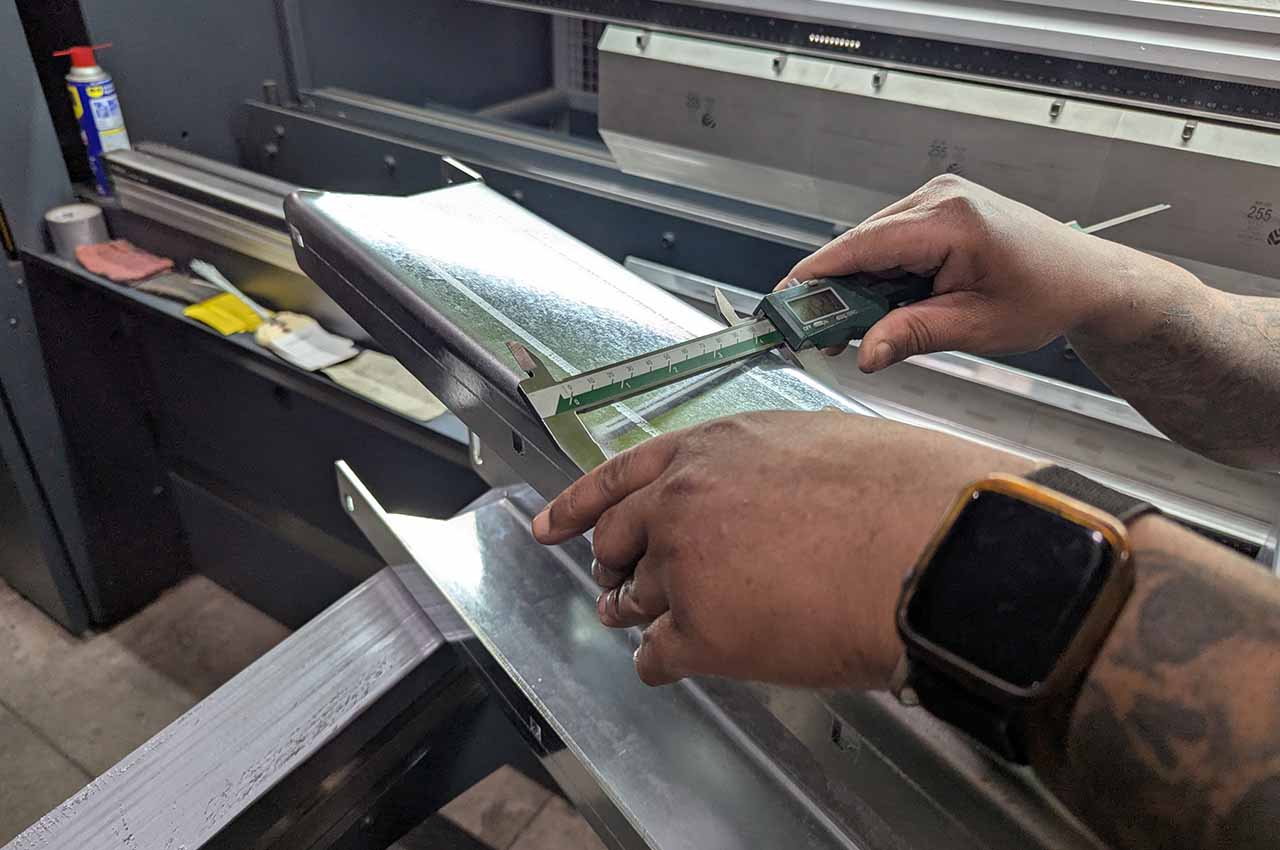
How LMI Meets (and Exceeds) These Expectations
Proven Repeatability + Documentation
- Robotic + manual balance: Our collaborative robotic welding cell handles repeatable seams while skilled welders tackle complex features and final inspection—improving consistency without sacrificing craftsmanship.
Resilient Capacity & Rapid Changeovers
- Parallel routings: Where practical, we build alternate routings (e.g., manual/robotic) to protect ship dates if demand spikes or a fixture is under maintenance.
- Backup Suppliers: LMI has local relationships with other suppliers that have trusted quality that can keep us on track in the unforeseen event of any equipment downtime or capacity constraints.
- Fixture philosophy: Modular tooling and quick-swap fixtures reduce changeover time between part families.
Regional/Hybrid Supply Strategies
- Stateside fabrication with scalable logistics: Our domestic footprint and partner carriers support dual-sourcing or regionalized builds that reduce lead-time risk and tariff exposure.
Engineering Partnership, Not Just Parts
- Accelerated validation: We organize first-article and PPAP-style packets so production release is fast and auditable.
What Should OEMs Ask Suppliers Now?
- Can you share a rolling 12-week capacity and committed ship dates?
- What’s your recovery time from a late material delivery or fixture failure?
- Show your traceability and change control (certs, rev history, inspection records).
- Do you support dual-sourcing/regionally split production plans?
The Payoff: Lower Total Landed Risk
When suppliers operate with real-time visibility, stable documentation, and recovery muscle, the downstream benefits are tangible: fewer expedites, less scrap, faster validations, and fewer “line-down” events. That combination often beats the cheapest quote over a full program life. In an environment that still sends mixed signals, resilience and transparency remain the best hedge.
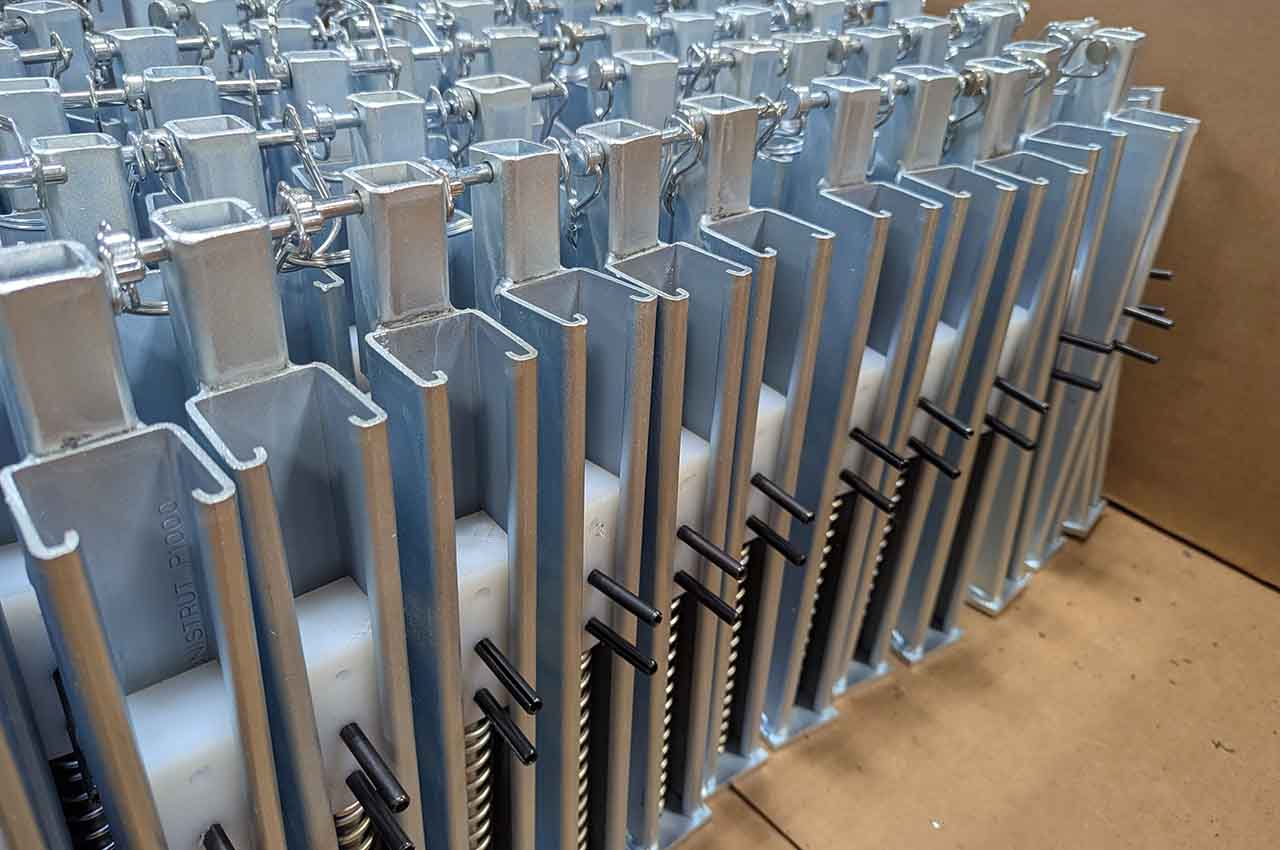
Ready to De-Risk Your Build Plan?
Send your prints (SolidWorks or STEP), forecast window, and required standards. LMI will map a dual-sourcing-friendly production plan with clear SKUs, buffers, and validation timelines—so your launches are predictable, auditable, and drama-free.